Carrigaline, Co. Cork, Ireland
Energy Master Plan
Home » Energy Master Plan

Carrgaline Energy Master Plan

The Carrigaline Energy Master Plan (EMP) serves as a foundational guide for the Carrigaline Sustainable Energy Community (SEC) in its mission to transition to a low-carbon future. Developed with support from the Sustainable Energy Authority of Ireland (SEAI), the plan quantifies the town’s current energy usage and carbon footprint across residential, non-residential, transport, and agricultural sectors. It identifies opportunities for energy efficiency and renewable energy projects, sets reduction targets, and outlines actionable steps to achieve them. Through community engagement, education, and collaboration, the EMP aims to empower Carrigaline to become a model for sustainable energy, addressing climate goals while improving quality of life and reducing energy costs.

Click Here to view the Carrigaline Energy Master Plan
Key Findings
  • Energy Consumption and Emissions: Carrigaline’s primary energy demand is split across residential (50.9%), non-residential (21.1%), transport (27.9%), and agriculture (0.1%). The total CO₂ emissions for the community are approximately 73,836 tons, with residential heating and transport identified as major contributors.
  • Residential Sector: The majority of homes rely on oil and natural gas for heating, responsible for 89% of the sector’s emissions. Upgrading residential properties, particularly those built before 2000, is prioritized for energy savings. Proposed measures include retrofitting insulation, upgrading heating systems to more efficient options like heat pumps, and promoting renewable sources like solar energy. The EMP suggests that 96% of homes in Carrigaline fall below Ireland’s target Building Energy Rating (BER) of B2, with recommended upgrades to improve efficiency and reduce costs.
  • Transport Sector: Transport emissions make up a substantial portion of Carrigaline’s overall energy demand, driven largely by private car use. The EMP proposes increasing public transport options, promoting electric vehicles, and enhancing infrastructure for cycling and walking. These changes align with Ireland’s Climate Action Plan, which seeks a 50% emissions reduction in transport by 2030.
  • Non-Residential and Agricultural Sectors: Energy savings in commercial buildings are achievable through efficiency upgrades in lighting, heating, and insulation. For agriculture, the EMP focuses on energy-efficient practices in dairy farms, such as installing solar PV systems and upgrading equipment for milk cooling and water heating.
  • Renewable Energy and Community Involvement: The EMP outlines opportunities for community-led renewable energy projects, including wind and solar power. The Register of Opportunities (RoO) identifies potential projects and funding options available for households, businesses, and community groups to support energy transitions.
  • Health, Social, and Economic Benefits: The EMP highlights that retrofitting homes can improve indoor air quality, reduce health risks, and lower energy costs, thus alleviating fuel poverty. Social benefits include job creation through retrofit initiatives and enhanced community well-being.
Click Here to view the Carrigaline Energy Master Plan
Action Plan & Roadmap

The Action Plan and Roadmap in the Carrigaline Energy
Master Plan (EMP) provides a framework for Carrigaline to meet ambitious
sustainability goals, including a 50% reduction in energy demand, 30% reduction
in CO₂ emissions, and generating 30% of energy from renewable sources by 2030.

Key Elements of the Action Plan:

    1. Capacity Building: Developing the capacity within the Carrigaline Sustainable Energy Community (SEC) is crucial. SEAI-appointed mentors and partnerships with educational bodies can provide training and support. Additionally, collaboration with established SECs is encouraged to share insights and experiences.
    1. Community Engagement and Plan Dissemination: The EMP’s findings will be communicated through events and workshops. Raising awareness within the community about current energy consumption and identifying ways to reduce their energy footprint is a priority. Community assets, such as buildings, may be upgraded to serve as remote working hubs, social centers, or childcare facilities through available grants.
    1. Prioritizing “Low-Hanging Fruit”: Carrigaline SEC aims to focus first on simpler, low-cost energy efficiency measures. These initial projects, such as distributing Home Energy Kits to assess home energy use or optimizing lighting in public buildings, provide quick wins, build confidence, and help the SEC develop the skills needed for more complex projects. Simple steps like remote working hubs in community centers and replacing lighting in business premises are also prioritized to save energy.
    1. Long-Term Projects and Infrastructure: Once initial projects are underway, the SEC will move toward more ambitious initiatives, including community solar PV systems, EV car-share schemes, and larger renewable energy projects. Public transport upgrades, such as electric buses, are proposed to reduce transport emissions in line with the Climate Action Plan’s goals.
    1. Financial and Grant Support: SEC will leverage funding streams, such as SEAI grants, for energy efficiency and renewable projects. The EMP also mentions a Register of Opportunities (RoO), a living document detailing potential projects, costs, and savings, to guide the SEC’s activities over time.
Click Here to view the Carrigaline Energy Master Plan


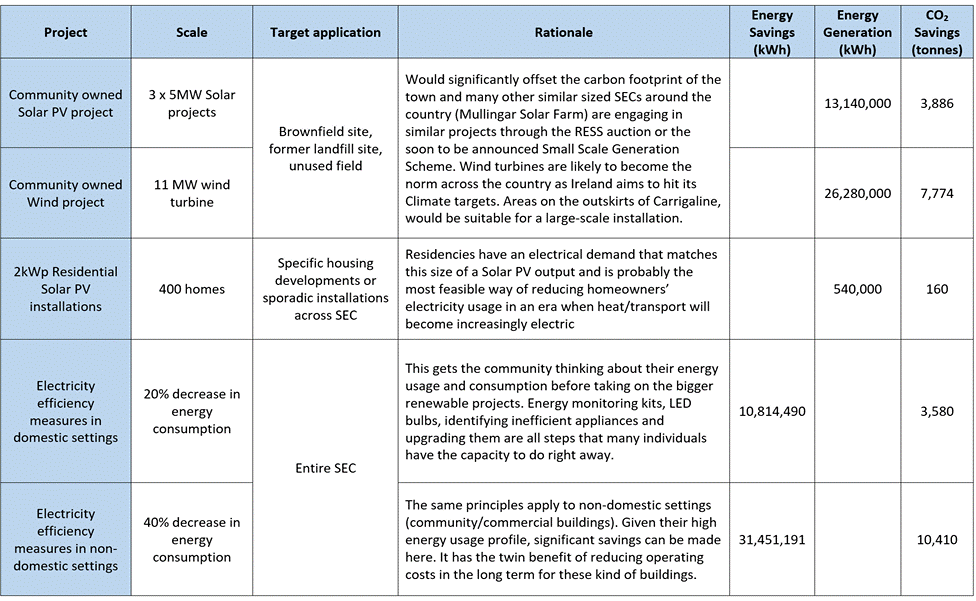
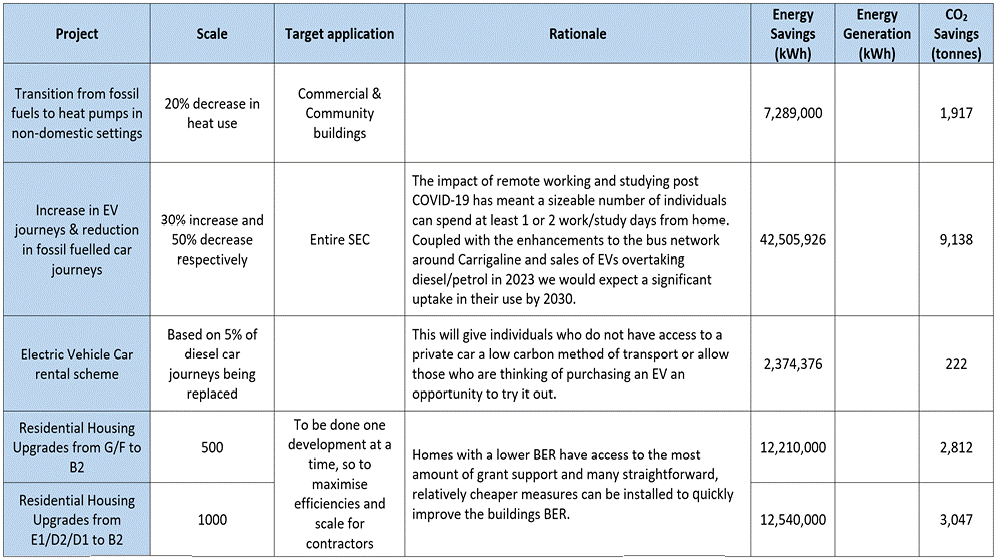
Roadmap to 2030

The roadmap sets out a phased approach, targeting a 7% annual reduction in CO₂ emissions. It projects steady emissions decreases each year from a baseline of 67,611 tons in 2023 to 37,834 tons by 2030
roadmap1
roadmap2
roadmap3